
Brochure Font Size
Brochure Font Size - Use a sans serif font, such as arial, for captions or small type. These sizes not only dictate the overall appearance of the custom brochure. If you want to keep it simple, an easy starting point it to remember that for optimal readability, aim for. For longer texts, it is between 9 and 12 pt. Montel, a modern typeface, is ideal for creating vibrant headings in brochures. Use clean fonts for brochures and bold fonts for posters to create the best impact. By prioritizing clarity, consistency, and creativity, you can craft designs. Larger fonts draw attention to something, while smaller fonts keep the information countdown. Using more than two types of fonts will make your brochure messy, unprofessional or. Design your brochure in word by dividing it into sections for the front and back. Montel, a modern typeface, is ideal for creating vibrant headings in brochures. Placeit by envatono design skills neededtrusted by 10m customers The subheading would follow, and the body. Larger fonts draw attention to something, while smaller fonts keep the information countdown. The size depends on the typeface, but there are multiple variables involved. The fonts you choose can elevate your brochure from a mere piece of paper to a powerful branding tool. Use a bold or larger font for headings to draw attention and a smaller, more subdued font for the body text. So what is the ideal text size? From readability to hierarchy, font size plays a. Selecting the perfect font size might seem subtle, but it’s one of the key elements that can make or break your graphic design. Use a sans serif font, such as arial, for captions or small type. The subheading would follow, and the body. For longer texts, it is between 9 and 12 pt. Design your brochure in word by dividing it into sections for the front and back. From readability to hierarchy, font size plays a. Even when considering younger audiences, going below 8pt type shouldn't be considered for. Design your brochure in word by dividing it into sections for the front and back. Not only is the size important, but. Use a sans serif font, such as arial, for captions or small type. Larger fonts draw attention to something, while smaller fonts keep the information. What is the best font size for a brochure or flyer? Larger fonts draw attention to something, while smaller fonts keep the information countdown. The brochure headings would have the biggest size. For longer texts, it is between 9 and 12 pt. Several factors converge to determine the optimal size for your specific print project: From readability to hierarchy, font size plays a. By prioritizing clarity, consistency, and creativity, you can craft designs. Larger fonts draw attention to something, while smaller fonts keep the information countdown. This helps establish a clear visual hierarchy and makes it easy for. Most older audiences need a minimum of 11pt and a preferable size of 14pts to read comfortably. Use a sans serif font, such as arial, for captions or small type. Design your brochure in word by dividing it into sections for the front and back. From readability to hierarchy, font size plays a. The size depends on the typeface, but there are multiple variables involved. Start by identifying the font size for the title or heading, subheading,. Design your brochure in word by dividing it into sections for the front and back. Consider the age, visual acuity, and reading habits of your. This helps establish a clear visual hierarchy and makes it easy for. This sizing hierarchy creates visual order and guides readers naturally through your information. Of course, titles can be larger than the body text,. Use clean fonts for brochures and bold fonts for posters to create the best impact. If you want to keep it simple, an easy starting point it to remember that for optimal readability, aim for. The brochure headings would have the biggest size. The subheading would follow, and the body. Most older audiences need a minimum of 11pt and a. Consider the age, visual acuity, and reading habits of your. This sizing hierarchy creates visual order and guides readers naturally through your information. Selecting the perfect font size might seem subtle, but it’s one of the key elements that can make or break your graphic design. Use a sans serif font, such as arial, for captions or small type. So. Choosing the right font is essential for brochures, posters, and other designs. The fonts you choose can elevate your brochure from a mere piece of paper to a powerful branding tool. To create a visually appealing design, make your headlines the largest font size used in the. Selecting the perfect font size might seem subtle, but it’s one of the. Selecting the perfect font size might seem subtle, but it’s one of the key elements that can make or break your graphic design. Design your brochure in word by dividing it into sections for the front and back. Choosing the right font is essential for brochures, posters, and other designs. The subheading would follow, and the body. Of course, titles. Font size acts like a signaling device to direct people through your brochure. The fonts you choose can elevate your brochure from a mere piece of paper to a powerful branding tool. Even when considering younger audiences, going below 8pt type shouldn't be considered for. Most older audiences need a minimum of 11pt and a preferable size of 14pts to read comfortably. The size depends on the typeface, but there are multiple variables involved. Start by identifying the font size for the title or heading, subheading, and body. Several factors converge to determine the optimal size for your specific print project: Selecting the perfect font size might seem subtle, but it’s one of the key elements that can make or break your graphic design. This sizing hierarchy creates visual order and guides readers naturally through your information. This helps establish a clear visual hierarchy and makes it easy for. By prioritizing clarity, consistency, and creativity, you can craft designs. Not only is the size important, but. Use a sans serif font, such as arial, for captions or small type. Of course, titles can be larger than the body text, up to 10x. To create a visually appealing design, make your headlines the largest font size used in the. The brochure headings would have the biggest size.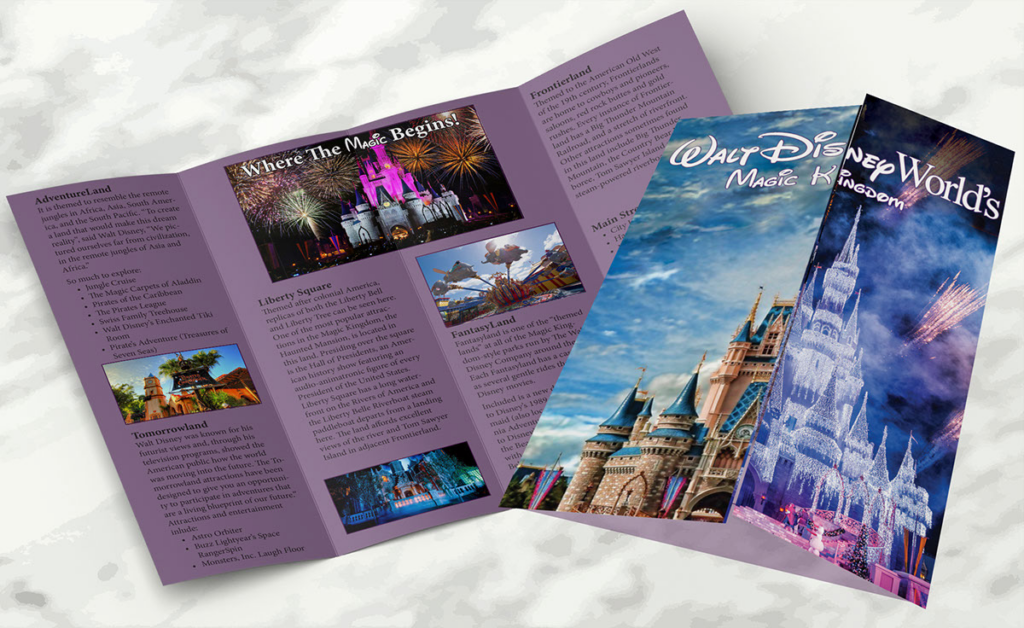
Best Fonts for Brochures How to Choose the Right Typeface
-popular_1400x1400.jpg)
️ Text brochure. Pick the best fonts for your business brochures. 2019

6 Great Fonts for Your Brochures Image Cube

The Best Fonts for Brochures (with Examples) Envato Tuts+

The Best Fonts for Brochures (with Examples) Envato Tuts+

The Best Fonts for Brochures (with Examples) Envato Tuts+
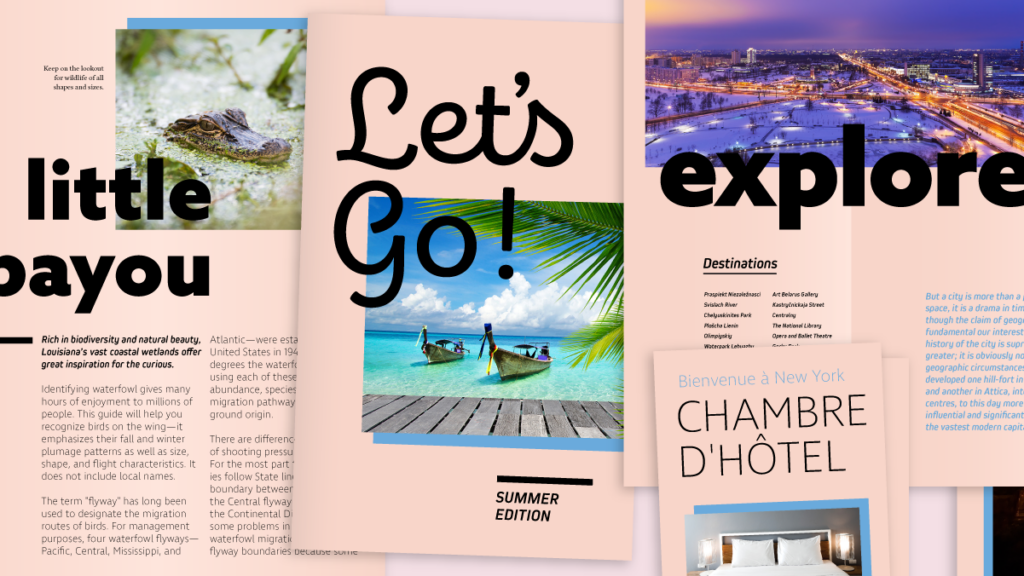
Best Fonts for Brochures How to Choose the Right Typeface
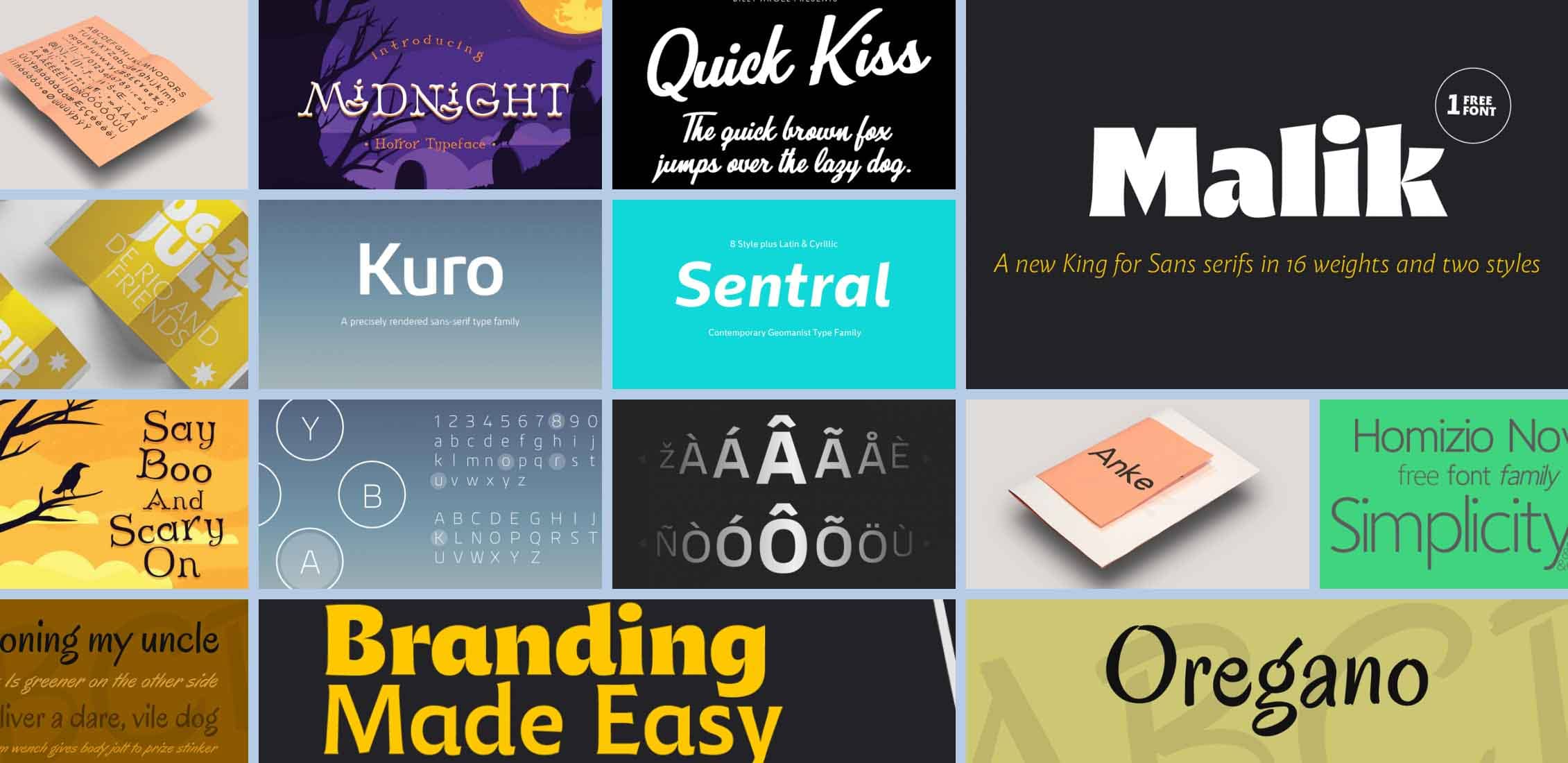
10+ Best Fonts for Brochures in 2021 Free and Premium Fonts

The Best Fonts for Brochures (with Examples) Envato Tuts+
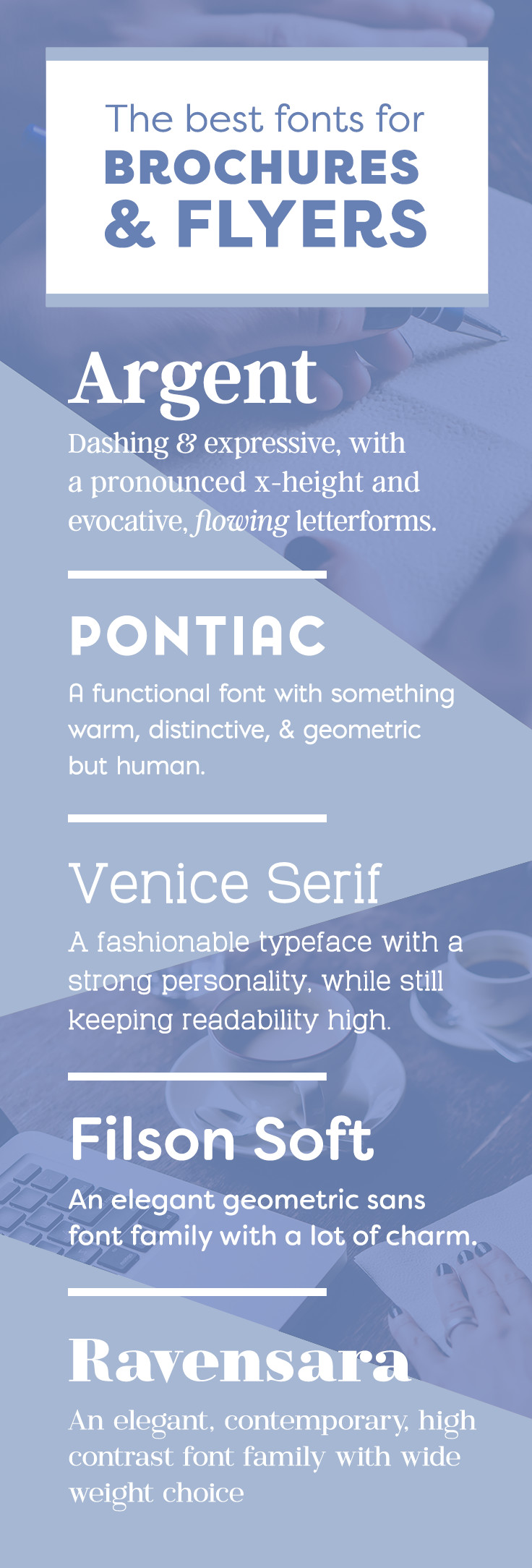
Best Fonts for Business Brochures and Flyers That Stand Out Creative
Use Clean Fonts For Brochures And Bold Fonts For Posters To Create The Best Impact.
For Longer Texts, It Is Between 9 And 12 Pt.
Choosing The Right Font Is Essential For Brochures, Posters, And Other Designs.
If You Want To Keep It Simple, An Easy Starting Point It To Remember That For Optimal Readability, Aim For.
Related Post: